In modern Data Centres, power reliability is not optional. It is fundamental. Behind every server rack, cooling system, and network node lies a critical question: can the standby generator accept load instantly and maintain stable performance without compromising sensitive IT infrastructure?
One of the most important yet often overlooked indicators of generator performance is Mean Effective Pressure, or MEP. Understanding how MEP influences generator behaviour is essential when specifying mission critical power solutions and selecting truly reliable power solutions for high-demand environments.
For operators across the UAE, Iraq, and Bahrain, where digital infrastructure is expanding rapidly, selecting the right engine technology directly affects uptime, operational security, and long-term cost efficiency.
Al Masaood Power Division: A Trusted Partner for Power Solutions
With more than five decades of experience, Al Masaood Power Division has delivered dependable power solutions across diverse industries throughout the UAE, Iraq, and Bahrain.
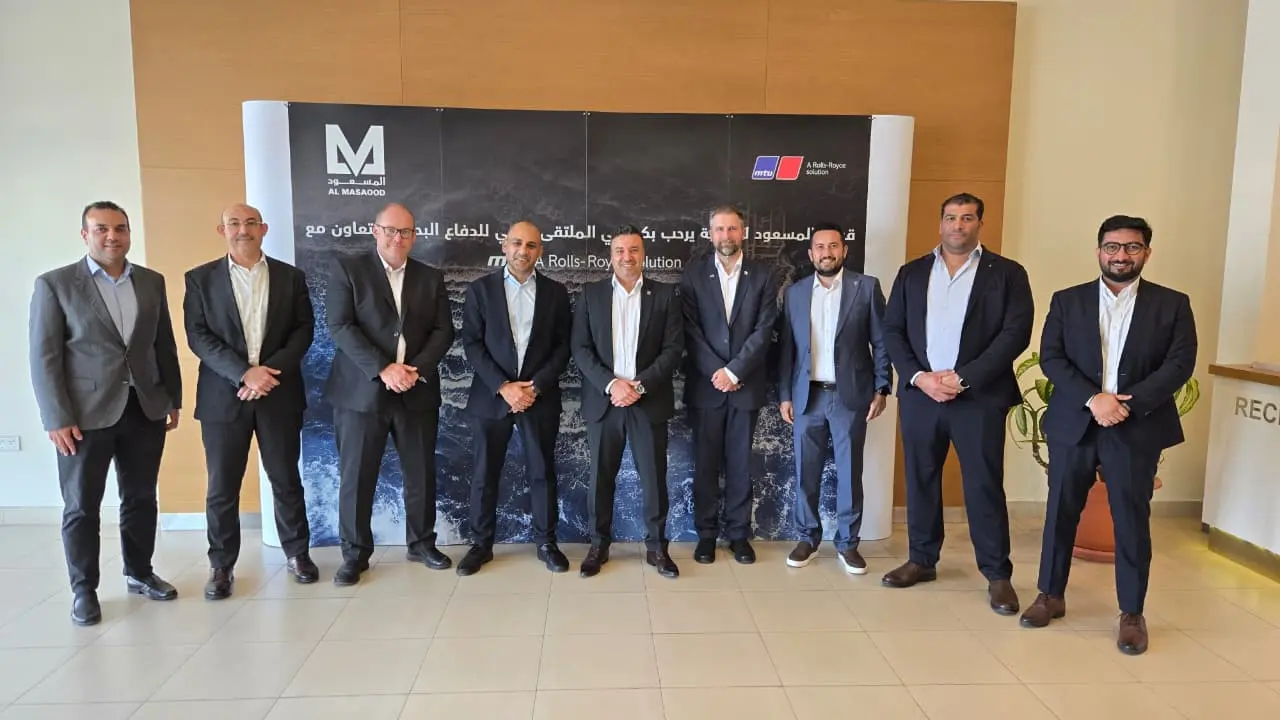
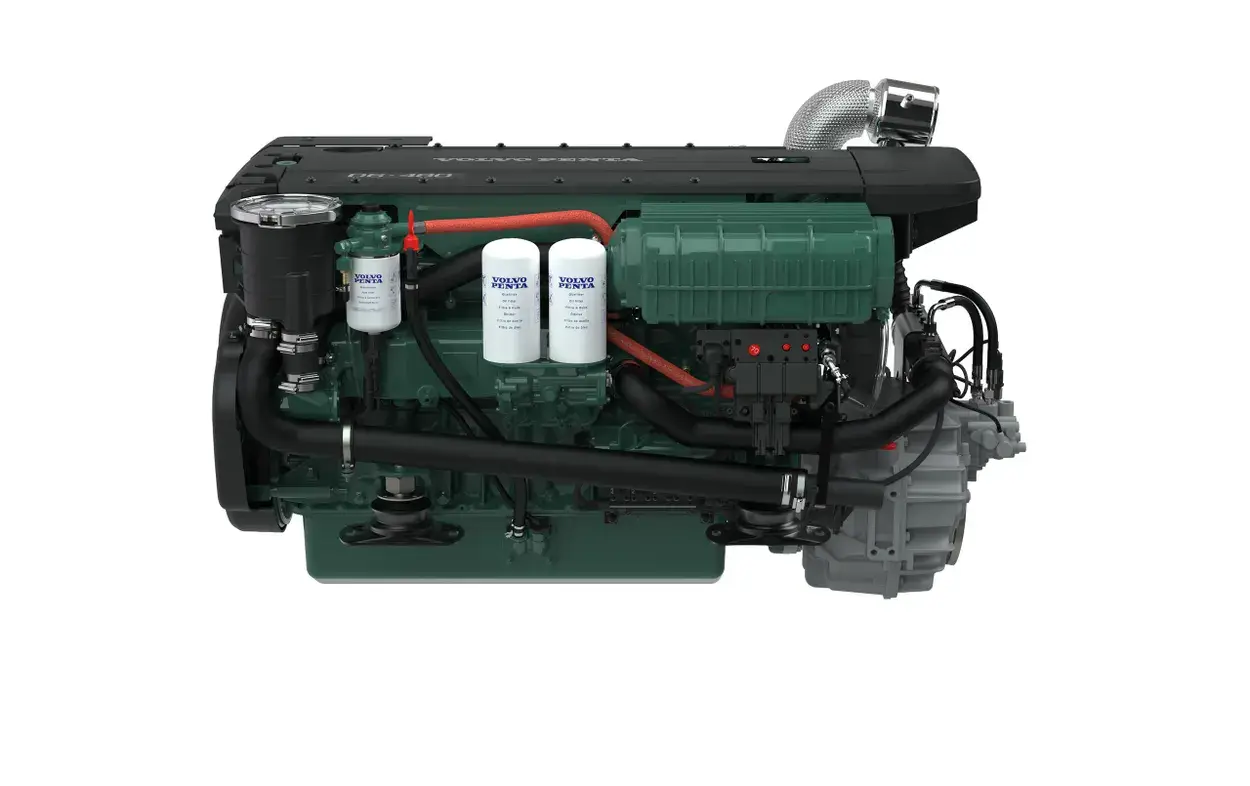
As the authorised distributor of mtu, a Rolls-Royce solution, in the UAE, Iraq, and Bahrain, the division provides advanced generator technologies engineered specifically for mission-critical environments. It is also the authorised distributor of Volvo Penta and Leroy Somer in the UAE and Bahrain, reinforcing its leadership in integrated power systems.
Combining deep regional knowledge with globally recognised best practice, Al Masaood Power Division supports clients from consultation and system design through installation and comprehensive after-sales service. Its factory-trained and certified technicians operate from a state-of-the-art service centre equipped with advanced diagnostic technology, ensuring precision maintenance and long-term reliability.
For Data Centres where downtime is unacceptable, this end-to-end capability delivers measurable value.
What Is Mean Effective Pressure and Why It Matters
Mean Effective Pressure represents the average pressure exerted on the piston during the engine cycle. In practical terms, it indicates how intensively the engine is working to produce power.
Higher MEP generally results in:
- Greater mechanical stress on engine components
- Earlier maintenance intervals
- Reduced load acceptance capability
- Multiple load steps required during start-up
In generator applications, particularly under ISO 8528-5 performance classifications G1 to G3, MEP plays a central role in determining how much load a generator can accept in a single step.
For Data Centres, this technical parameter has strategic implications.
ISO 8528-5 and G3 Performance for Data Centres
ISO 8528-5 defines generator performance standards under different load conditions. The G3 classification is specifically intended for highly sensitive loads, including Data Centres, hospitals, and telecommunications facilities.
G3 compliance requires:
- Minimal voltage dip during load application
- Rapid recovery time
- Tight frequency control
- Stable performance under sudden load changes
Since load step capability is directly linked to engine MEP, engines with lower MEP can typically accept a higher percentage of load in a single step. This reduces stress and enhances system stability.
For mission-critical operations across the UAE, Iraq, and Bahrain, selecting a generator that meets or exceeds G3 standards is not merely advisable. It is essential.
Why Load Acceptance Is Critical in Data Centres
Data Centres operate with highly sensitive IT loads. Even minor voltage or frequency fluctuations can lead to:
- Server shutdowns
- Data corruption
- Hardware damage
- System instability
During a power outage, the transition from utility supply to generator power must be seamless. If the generator cannot accept the load quickly enough, unacceptable voltage dips or frequency deviations may occur.
An ideal generator for Data Centres should therefore provide:
- Higher load acceptance with fewer steps
- Stable voltage and frequency performance
- Protection for sensitive electrical equipment
- Simplified switchgear design and operation
Lower MEP contributes directly to achieving these performance outcomes.
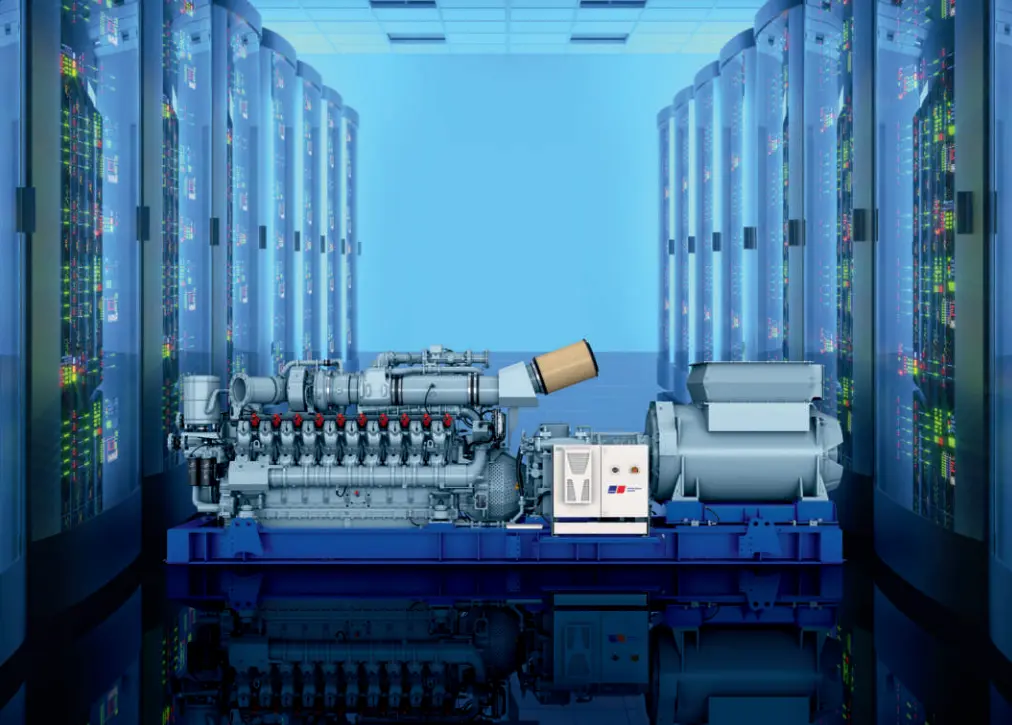
The Advantage of mtu Generator Sets
This is where mtu generator sets offer a distinct advantage.
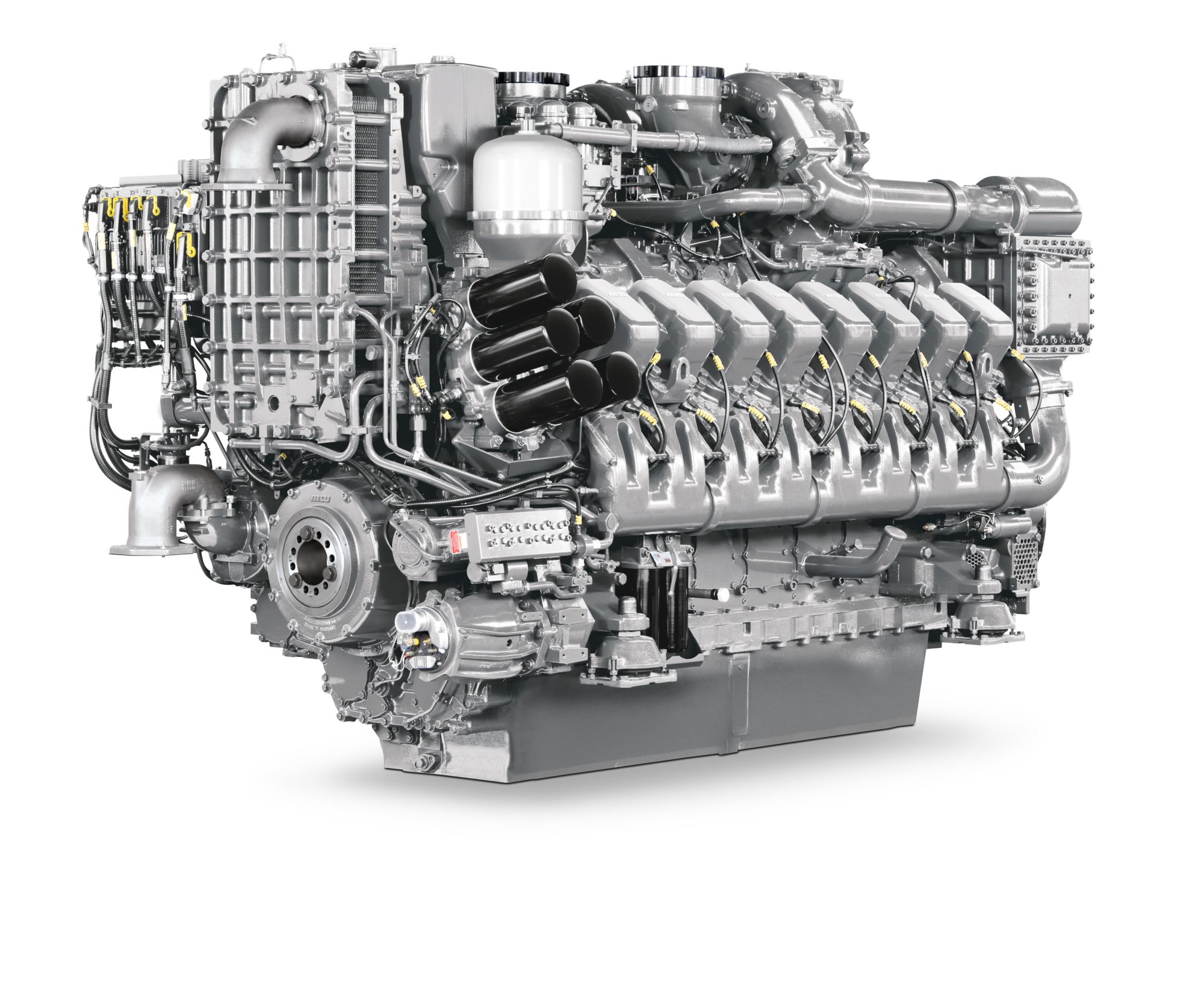
Designed for demanding environments, mtu engines are engineered to maintain lower MEP values while delivering high power density. This balance enables:
- Superior load step acceptance
- Reduced mechanical stress
- Extended service intervals
- Enhanced operational reliability
All mtu generator sets supplied by Al Masaood Power Division are designed and tested to meet, and often exceed, ISO 8528-5 G3 performance requirements.
For Data Centres in the UAE, Iraq, and Bahrain, this translates into:
- Faster load acceptance during grid failure
- Reduced voltage and frequency deviation
- Greater system resilience
- Lower lifecycle costs
When evaluating mission critical power solutions, these performance characteristics significantly influence both capital investment decisions and long-term operational risk management.
Regional Application: Supporting Digital Growth in the UAE, Iraq, and Bahrain
As digital transformation accelerates across the region, Data Centre development continues to expand.
In large-scale facilities where commissioning demands rapid load application, generator systems must demonstrate the ability to accept substantial block loads without compromising frequency stability.
Generator systems operating at higher MEP levels may require multiple load steps, increasing synchronisation complexity and switchgear design requirements. This can introduce additional engineering challenges and potential risk points.
In contrast, mtu generator systems supplied by Al Masaood Power Division are capable of accepting higher load percentages in a single step. This simplifies switchgear configuration, reduces commissioning timelines, and enhances operational confidence.
For procurement professionals, this means fewer design compromises. For engineers, it supports streamlined system integration. For operators, it safeguards uptime.
Expert Insight: MEP and Long-Term Operational Strategy
While initial generator cost often dominates procurement discussions, long-term operational resilience ultimately defines value.
Engines operating at higher MEP may appear compact and powerful, yet the trade-offs can include:
- Increased thermal and mechanical stress
- Shorter maintenance intervals
- Greater component wear
- Potentially reduced system lifespan
Lower MEP engines, such as those engineered by mtu, are designed for sustainable performance under demanding load profiles.
For Data Centres operating continuously in the challenging climates of the UAE, Iraq, and Bahrain, environmental conditions further increase system stress. Selecting reliable power solutions with optimised engine design supports predictable maintenance planning and consistent performance.
Al Masaood Power Division strengthens this reliability through:
- Factory-trained and certified technicians
- Advanced diagnostic capability
- Genuine spare parts availability
- Rapid regional service support
This integrated approach ensures power systems remain compliant, efficient, and fully operational throughout their lifecycle.
Secure Your Data Centre with Proven Power Generation Solutions
When specifying generator systems for Data Centres, Mean Effective Pressure is not merely a technical metric. It is a performance indicator that directly influences uptime, maintenance cycles, and operational resilience.
Lower MEP, superior load acceptance, and G3-compliant performance are essential characteristics of modern mission critical power solutions.
Al Masaood Power Division supports Data Centres across the UAE, Iraq, and Bahrain with advanced mtu generator technologies engineered for stability, efficiency, and long-term reliability.
If you are planning a new facility, upgrading existing infrastructure, or reviewing generator performance specifications, speak with our specialists today.
Contact Al Masaood Power Division to explore advanced Power Generation solutions tailored for Data Centres and mission-critical environments.